

Digital marketing for psychedelic therapy clinics
Marketing for ketamine clinics, psychedelic-assisted therapy programs and ibogaine treatment centers across the U.S., Canada and Mexico.
Psychedelic treatment is rarely an impulse decision. Prospective patients may spend weeks researching the treatment itself before they begin comparing providers. They want to understand what is legal, what the evidence shows, who is an appropriate candidate, what screening is involved, what it costs and what happens after they return home. That research process should shape the entire digital strategy.
The OGs of behavioral health marketing · since 1999 · still leading the field
A search environment built on education, legitimacy and trust
Webconsuls builds psychedelic therapy marketing around the questions people ask before they are ready to contact a clinic: strengthening organic search, creating authoritative treatment and safety content, making provider credentials and clinical protocols easy to find, improving how search engines and AI platforms understand the organization, and giving someone a clear path from research to an appropriate inquiry.
The individual channels matter. How they work together matters more.
- Is psychedelic therapy legal?
- Does ketamine therapy work?
- What conditions are treated with ketamine?
- Is ibogaine legal in Mexico?
- What happens during ibogaine treatment?
- Is psychedelic therapy safe?
- How much does treatment cost?
- What medical screening is required?
- What happens after treatment?
- How do I choose a reputable clinic?
North America is not one regulatory market
United States
The market is fragmented. Ketamine has an established commercial footprint while other compounds remain restricted, and state access models differ. Website architecture should clearly separate currently available medical treatment, state-authorized services, clinical research, integration therapy and education.
- ·Ketamine infusion clinics
- ·Ketamine-assisted psychotherapy
- ·Esketamine and Spravato programs
- ·Psychiatric practices offering ketamine
- ·Depression and PTSD programs
Canada
Most psychedelic controlled substances require specific legal authorization, and access to psilocybin or MDMA may occur only in limited circumstances. Accurate service descriptions are critical, so we build the content architecture around a clinic's actual authorization.
- ·Legally available ketamine services
- ·Psychiatric care
- ·Psychedelic integration
- ·Authorized psychedelic-assisted psychotherapy
- ·Clinical research, training and education
Mexico
For many clinics the prospective patient is not local. Someone researching from California, Texas or British Columbia is evaluating whether traveling internationally for treatment makes sense, which creates an unusually complex conversion funnel.
- ·Treatment eligibility and medical screening
- ·Travel, lodging and length of stay
- ·Physician involvement and emergency protocols
- ·Cardiac monitoring and contraindications
- ·Aftercare, integration and returning home
Knowing when not to advertise is part of the strategy
A treatment being legally available where a clinic operates does not automatically mean Google, Meta or another platform will permit promotion of it. Those are two different standards. When direct advertising is limited, growth may lean more heavily on organic search, authoritative content, AI visibility, referral development and digital PR.
We do not build a patient-acquisition plan around media inventory that may disappear after the next policy review.
Language a credible clinic does not need
- Cure
- Guaranteed recovery
- Permanent healing
- Reset your brain
- One treatment fixes addiction
- Proven cure for PTSD
- Scientifically guaranteed
- Completely safe
Good marketing is not weaker because it avoids those claims. In this category, restraint increases trust.
Curiosity is not the same thing as qualified demand
The strongest content strategy focuses on the information that helps someone evaluate treatment responsibly: evidence, candidacy, safety, provider credentials, medical oversight, logistics and what differentiates one treatment model from another. That content has SEO value. It also gives prospective patients a reason to trust the organization providing it.
Treatment education
- How ketamine-assisted therapy works
- What happens during psychedelic-assisted therapy
- Understanding ibogaine treatment
- Psychedelic integration therapy
Condition-based education
- Psychedelic treatment research for PTSD
- Ketamine and treatment-resistant depression
- Ibogaine research and opioid dependence
- Psychedelic medicine and trauma
Safety
- Medical screening before ibogaine
- Why ECG testing matters
- Medication contraindications
- Medical monitoring during treatment
Patient decision-making
- Questions to ask a psychedelic clinic
- How to evaluate an ibogaine treatment center
- Clinic vs. retreat
- What medical oversight should look like
From search to screening, the whole system has to work
Getting someone to the website is only the beginning. The site has to establish legitimacy, explain the treatment accurately and remove unnecessary friction from an already complicated decision.
Behind that experience, we can manage the website, organic search, AI visibility, content, reputation, analytics, call tracking, CRM and inquiry routing as one connected system. For international programs, that may also include longer-term follow-up for patients researching from another country who are not ready to schedule after the first conversation.
Your program deserves to be seen. We make sure it is.
Decades inside treatment marketing, not a new vertical
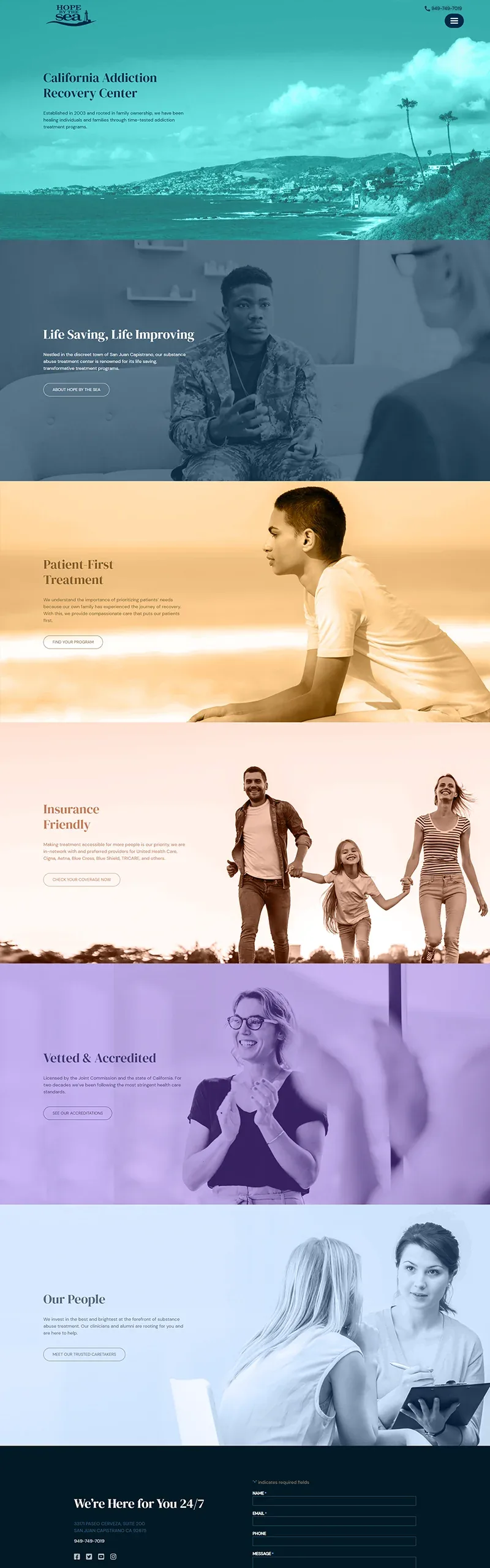
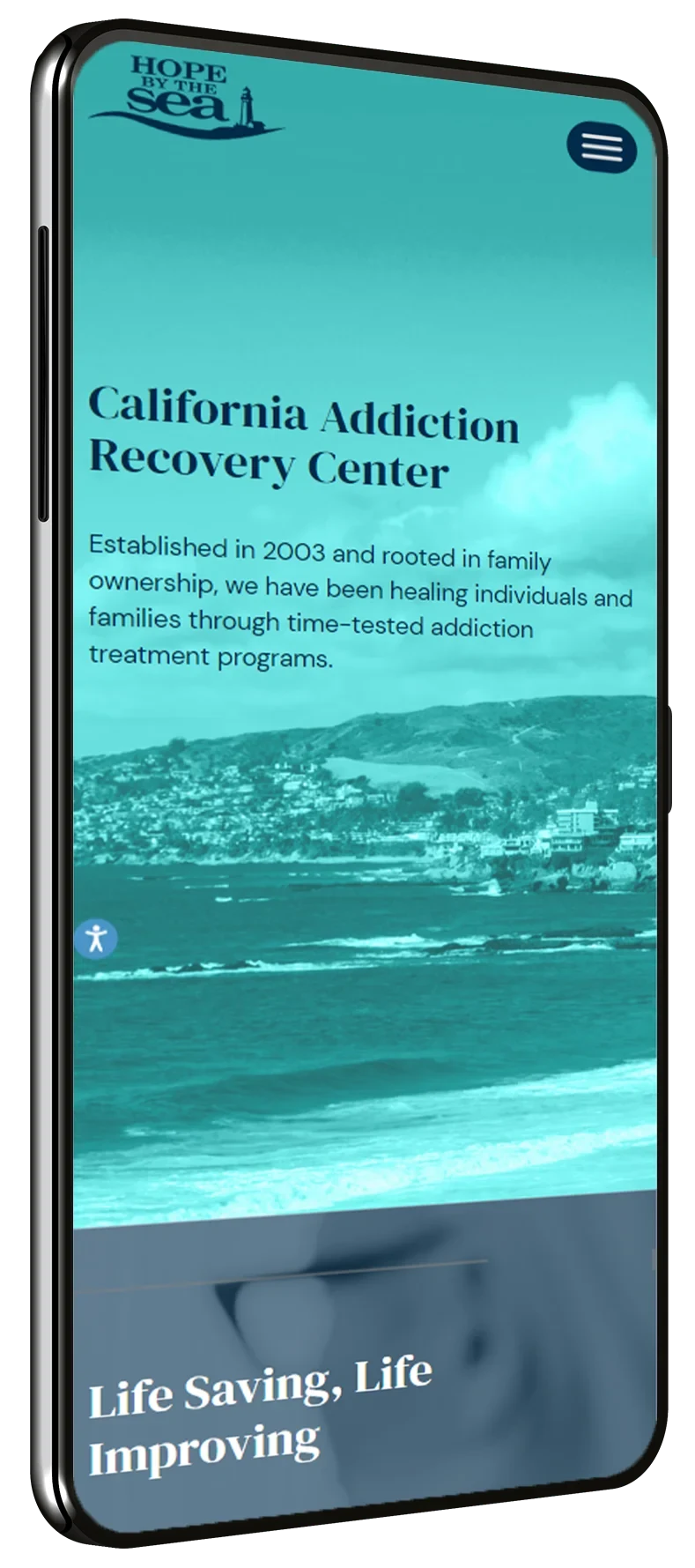
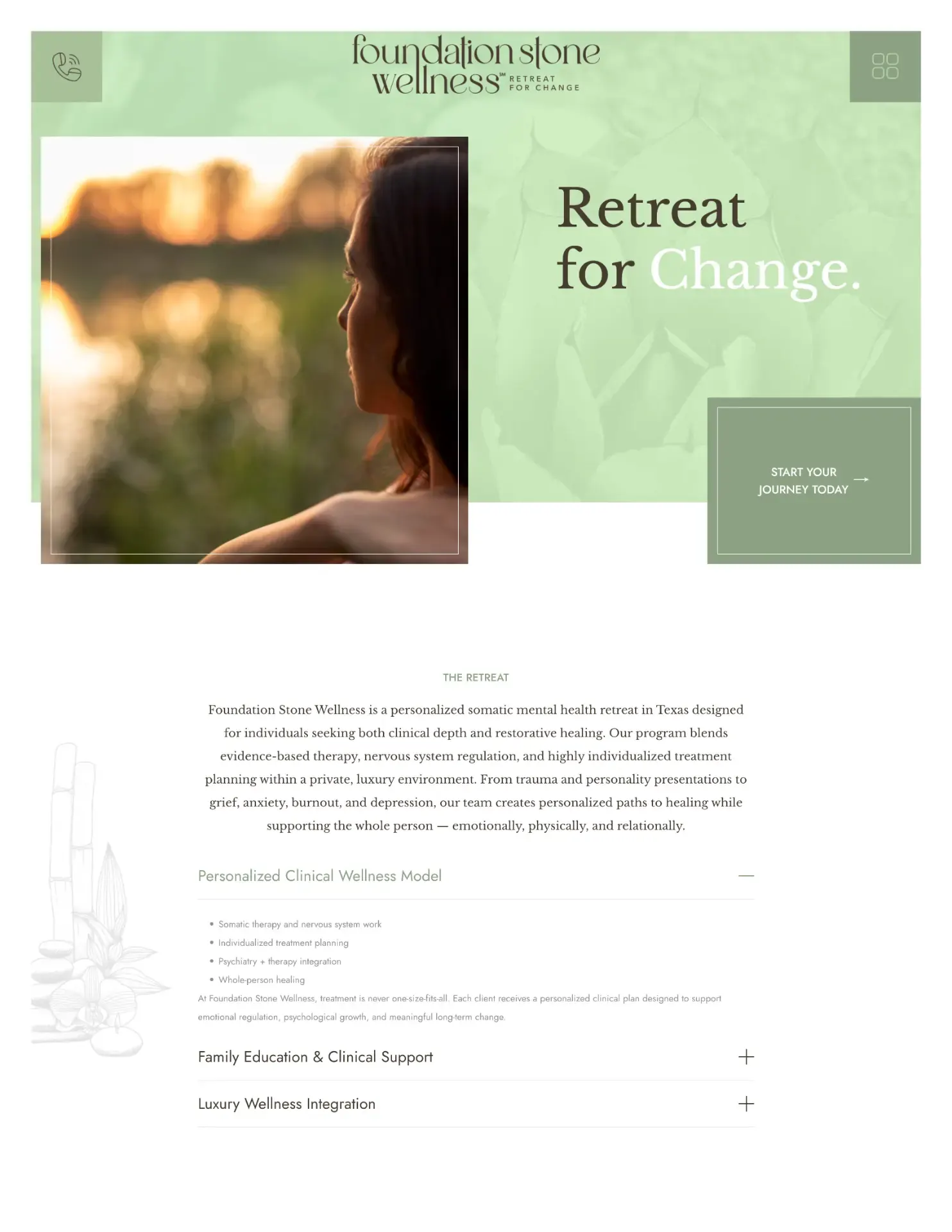
Programs we have designed, built and kept visible through every major shift in search and advertising.

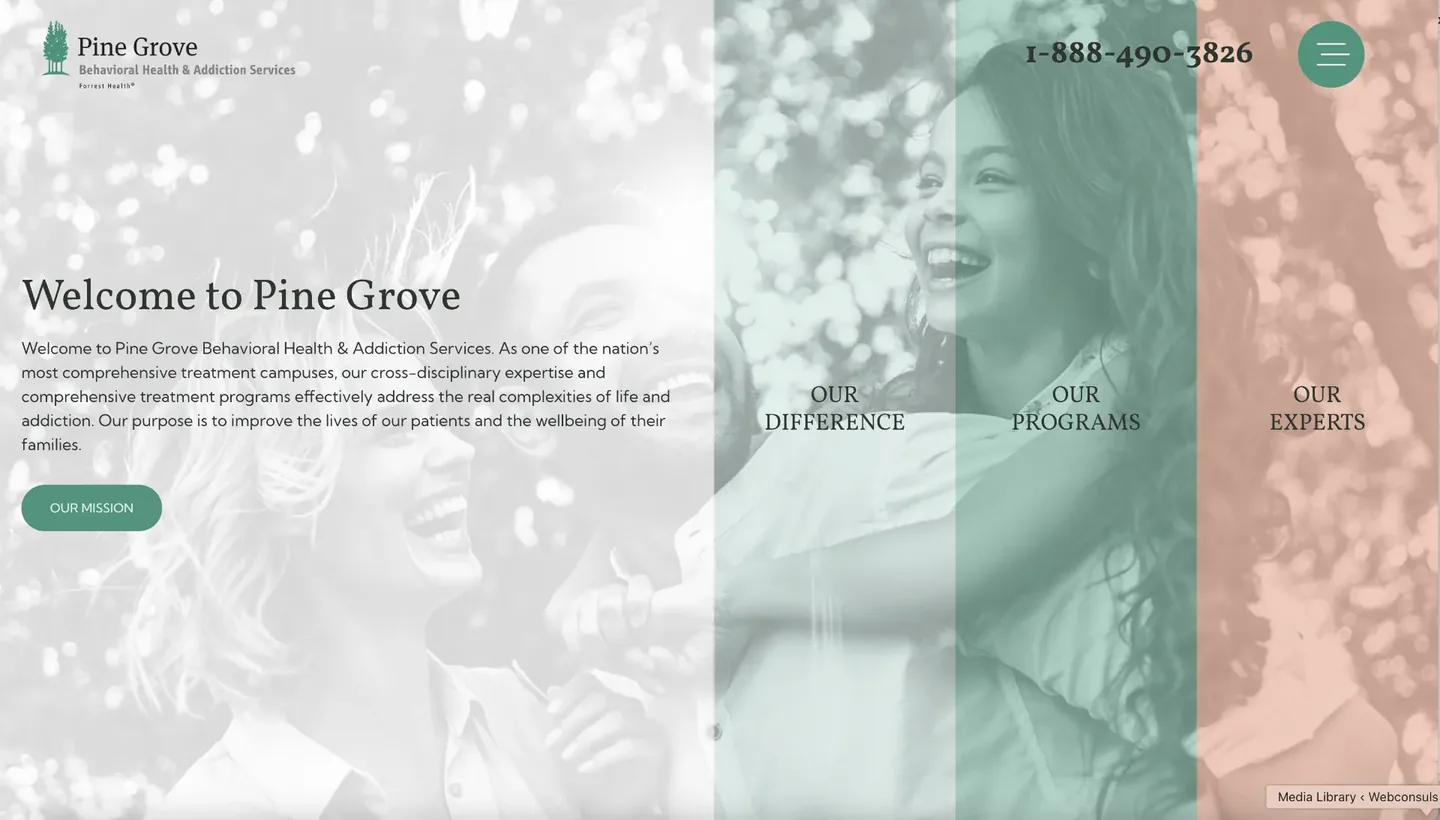
Pine Grove Behavioral Health
Behavioral Health & Addiction Design · Development · PPC · SEO · Content · Social Ads10+ yrs
01What is psychedelic therapy marketing?+
Psychedelic therapy marketing is the use of search optimization, website strategy, content, paid media where permitted, reputation management, AI visibility and other digital channels to connect qualified prospective patients with legally operating psychedelic treatment or psychedelic-assisted therapy providers.
02Does Webconsuls market ketamine clinics?+
Yes. Webconsuls provides SEO, website development, paid-media strategy, AI optimization, content, analytics and patient-acquisition services for ketamine clinics and behavioral health organizations offering ketamine-based treatment.
03Can you market ibogaine treatment centers in Mexico?+
Yes. International ibogaine programs require a different strategy from U.S.-based clinics because many prospective patients are researching treatment from another country. Search visibility, medical credibility, travel information, treatment education and conversion architecture become particularly important.
04Is ibogaine legal in the United States?+
Ibogaine is not generally available as an approved clinical treatment in the United States. Federal research activity has accelerated considerably, including new government support for psychedelic research, but that does not equate to general approval for commercial ibogaine treatment.
05Can psychedelic clinics advertise on Google?+
Sometimes, depending on the treatment, advertiser, jurisdiction and exact advertising content. Google restricts unapproved substances and speculative medical treatments and applies additional certification requirements to certain healthcare and addiction-treatment advertisers. A clinic's legal ability to provide a treatment does not automatically mean Google will permit advertising for it.
06Can you do SEO when paid advertising is restricted?+
Yes. Organic search often becomes more strategically important when direct paid advertising is limited. SEO can capture treatment research, condition-related questions, provider comparisons and geographic searches without depending entirely on advertising platforms.
07Do you market psychedelic retreats?+
Webconsuls evaluates organizations individually. Our strongest fit is with medically responsible treatment programs, licensed or appropriately authorized clinical organizations, ketamine practices and programs with clearly defined professional oversight.
08Can you market clinics in both the U.S. and Canada?+
Yes. The digital strategy must account for the legal and regulatory differences between the two countries. We build country-specific service architecture rather than treating North America as one regulatory market.
09What makes psychedelic clinic SEO different?+
The search journey tends to be unusually research-heavy. Prospective patients often investigate treatment mechanisms, legality, risks, costs, medical screening, provider credentials and alternatives before contacting a clinic, which makes authoritative educational content and trust signals especially important.
10Does Webconsuls guarantee patient volume?+
No. We manage the strategy, execution, systems and digital channels within our control. Patient volume also depends on demand, treatment eligibility, pricing, clinical capacity, jurisdiction, reputation and admissions performance.